Stain Removal in Temple: Professional Care for a Cleaner, Safer, and More Beautiful Sacred Space
Why Stain Removal in Temple Matters

Stain removal in temple settings is about far more than appearance. A temple is a place of devotion, peace, and community, and every surface contributes to the atmosphere people experience when they enter. When stains collect on stone floors, marble steps, wooden panels, fabric drapes, carpets, or prayer area surfaces, they can make the space feel neglected even when the rest of the building is well maintained.
Temple stain removal also supports hygiene and preservation. Dust, oil, wax, incense residue, water marks, and organic buildup can settle into porous materials over time. If these marks are not treated carefully, they may become permanent or cause long-term damage. That is why stain removal in temple environments requires a balanced approach: respectful, effective, and suited to the material being cleaned.
For temple caretakers, maintenance teams, and facility managers, the goal is simple: keep the sacred environment spotless without harming its surfaces or disrupting worship. With the right methods, temple stain removal can restore beauty, improve safety, and protect the structure for years to come.
Understanding the Most Common Temple Stains

Before starting any stain removal in temple project, it helps to identify the stain type. Different stains respond to different cleaning techniques, and using the wrong method can make the problem worse. Temples often face a unique combination of indoor and ceremonial stains.
Some of the most common stains include:
- Oil and ghee stains from lamps, offerings, and rituals
- Wax stains from candles and decorative lighting
- Incense smoke residue that darkens ceilings, walls, and fabrics
- Water stains from spills, leaks, or wet footwear
- Dust and soot buildup on statues, altars, and door frames
- Food stains from prasad preparation and distribution areas
- Organic stains such as flower sap, turmeric, vermillion, and leaf residue
Each of these stains behaves differently depending on the surface. For example, an oil mark on polished marble may require a different treatment than the same stain on sandstone, carpet, or fabric. That is why temple stain removal should never rely on guesswork.
How Temple Surfaces Affect Stain Removal

In any stain removal in temple process, the surface material matters just as much as the stain itself. Temples often combine delicate and durable materials in one space, so cleaners must work with care and precision. A method that works on one surface may damage another.
Common temple materials include:
- Marble - elegant but porous enough to absorb oils and dyes if not sealed properly.
- Granite - durable, though it can still hold residue in joints and textured areas.
- Wood - sensitive to moisture and harsh chemicals, especially in carved panels or doors.
- Fabric - curtains, banners, cushion covers, and altar cloths can trap smoke and color stains.
- Carpet and mats - prone to foot traffic stains, dust, and liquid spills.
- Painted walls and ceilings - can be damaged by aggressive scrubbing or the wrong solvent.
Matching the cleaning method to the surface is essential for safe temple stain removal. Even a small mistake, such as using too much water on wood or acidic cleaner on stone, can create expensive repairs later.
Step-by-Step Approach to Stain Removal in Temple

Effective stain removal in temple spaces follows a careful process. Rushing into deep cleaning without planning can spread stains or leave behind streaks. A structured approach helps ensure the work is thorough, respectful, and safe.
Here is a practical step-by-step method:
- Inspect the area - identify the type of stain, the surface, and the extent of the damage.
- Test first - use a small hidden area to check how the surface reacts to cleaning agents.
- Remove loose debris - dust, ash, flower petals, and grit should be cleared before wet cleaning.
- Treat the stain - apply the appropriate cleaner or stain-lifting method.
- Agitate gently - use soft brushes or microfiber cloths to avoid scratching.
- Rinse or wipe properly - remove residue so the stain does not reappear.
- Dry completely - moisture left behind can cause new stains or mildew.
This process may seem simple, but in temple environments it must be done with patience. A respectful cleaning schedule is often the best way to maintain the cleanliness and dignity of the space.
Effective Methods for Removing Specific Stains
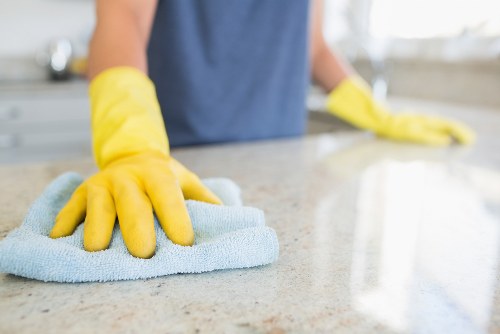
Different stains require different solutions, and that is especially true for stain removal in temple areas where sacred finishes and materials must be preserved. Choosing the right method improves results while minimizing risk.
1. Oil and Ghee Stains
Oil-based stains are common near lamps, offerings, and cooking areas. For stone or tile, absorb excess oil first using a dry cloth or an absorbent powder. Then apply a mild, non-abrasive cleaner suitable for the surface. On fabric, blot rather than rub to prevent the stain from spreading deeper.
2. Wax Stains
Wax can harden on floors, tables, and textiles. Allow it to cool and solidify before removal. For hard surfaces, gently lift the wax with a plastic scraper, then clean the remaining residue. On cloth, place absorbent paper over the wax and use low heat carefully if the material permits.
3. Incense Smoke Stains
Smoke leaves a fine layer of soot that can dull surfaces. Regular dusting helps, but deeper stain removal in temple ceilings or wall corners may require microfiber wiping and specialized smoke residue cleaning. Always avoid harsh scrubbing on painted or decorative surfaces.
4. Water Marks and Mineral Deposits
Water stains often appear on polished stone or glass. Use a cleaner designed for the specific surface and dry immediately after treatment. If minerals have built up, the stain may need repeated gentle cleaning instead of one aggressive attempt.
5. Organic Color Stains
Turmeric, flower dye, vermillion, and sap can leave strong color marks. These stains should be treated quickly. A pH-neutral cleaner is usually safer than strong household chemicals, especially in temples with delicate stonework or painted finishes.
Professional Techniques for Temple Stain Removal
Stain removal in temple environments is often best handled with professional techniques because experienced teams understand how to work around sacred architecture and high-value materials. Professional cleaning methods are designed to reduce risk while maximizing results.
Some commonly used techniques include:
- Dry soil removal using HEPA vacuums or soft dusting tools
- Low-moisture cleaning to protect wood and porous stone
- Microfiber detailing for carved areas and ornamental edges
- Spot treatment for isolated stains without affecting surrounding surfaces
- Steam cleaning for select hard surfaces when appropriate
- Enzyme-based solutions for organic residue in controlled areas
Professionals also understand the importance of timing. Temple stain removal is often scheduled before opening hours, after rituals, or during maintenance windows to avoid disrupting worship. This allows the cleaning team to work effectively while preserving the peaceful atmosphere.
Why Safe Products Matter in Temple Cleaning
Choosing the right products is a major part of stain removal in temple care. Strong chemicals may remove a stain quickly, but they can also damage sacred surfaces, leave harsh odors, or create unsafe conditions for visitors and priests. Safer products often provide better long-term results.
Look for cleaning solutions that are:
- pH-neutral for delicate stone and finished surfaces
- Non-toxic to reduce exposure for staff and worshippers
- Low-odor so the temple’s atmosphere remains calm and pleasant
- Residue-free to prevent buildup on floors and altars
- Material-specific for wood, fabric, stone, or tile
A safer cleaner is usually the smarter cleaner. In temple stain removal, preserving the surface is just as important as removing the mark itself.
Preventing Stains Before They Start
Preventive care is one of the most effective ways to reduce the need for heavy stain removal in temple areas. A few thoughtful practices can keep surfaces looking clean for longer and reduce maintenance costs.
Helpful prevention strategies include:
- Placing trays beneath lamps, candles, and offerings
- Using mats or runners in high-traffic entry areas
- Cleaning spills immediately after rituals or meals
- Encouraging footwear control where appropriate
- Regularly dusting statues, ledges, and decorative features
- Sealing porous stone when suitable for the material
- Scheduling frequent light cleaning instead of waiting for heavy buildup
These small actions can make a big difference. When maintenance becomes routine, temple stain removal becomes easier, faster, and less invasive.
Challenges Unique to Stain Removal in Temple Settings
Not every cleaning environment is the same, and stain removal in temple spaces brings unique challenges. These challenges require both technical knowledge and cultural sensitivity.
Respect for Ritual Use
Some spaces are active daily, with offerings, prayers, and ceremonies taking place throughout the day. Cleaning must be planned around these times so that worship is not interrupted.
Preservation of Historic Surfaces
Older temples may contain aged stone, hand-carved wood, or painted murals that cannot tolerate strong treatment. In these settings, temple stain removal must be delicate and historically aware.
Mixed Material Environments
It is common to find marble floors, brass fixtures, cloth hangings, and wooden doors in one temple. Each surface needs a different strategy, which increases the complexity of the work.
Repeated Residue Exposure
Because temples often use incense, lamps, and ceremonial powders daily, stains can reappear quickly if cleaning is not consistent. This is why long-term maintenance planning is so important.
Interior and Exterior Temple Stain Removal
Stain removal in temple settings is not limited to interiors. Exterior courtyards, steps, entrances, and boundary walls also require attention. Outdoor surfaces face weather, foot traffic, bird droppings, mud, leaf stains, and pollution.
Interior areas often need more detail-oriented care, while exterior areas may require more frequent washing and debris removal. For example, temple steps can become slippery if algae or water stains build up, making stain removal also a safety priority. Courtyards may need pressure washing on durable surfaces, but only when the material can safely handle it.
Because both indoor and outdoor spaces contribute to the temple’s overall impression, a complete stain removal plan should include every visible area. That creates a cleaner, more welcoming experience for visitors and devotees alike.
When to Call Professional Temple Cleaning Services
Some stains are easy to handle with routine care, but others require expert support. If a stain has set deeply, spread across a large area, or affected a sensitive surface, professional stain removal in temple services may be the best option.
Professional help is especially useful when:
- The stain is old or deeply embedded
- The surface is delicate, historic, or decorative
- There is repeated smoke, soot, or oil accumulation
- The cleaning area is large and difficult to maintain
- Previous cleaning attempts have made the stain worse
- You need efficient work without interrupting temple operations
Book your service now if you want expert stain removal in temple spaces handled with care, precision, and respect for the environment.
Building a Long-Term Temple Maintenance Plan
A successful stain removal in temple strategy is not just about treating visible marks. It is about creating a maintenance plan that keeps the space beautiful every day. A long-term plan reduces emergency cleaning needs and protects the temple’s materials over time.
An effective maintenance schedule may include:
- Daily dusting and spot checks
- Weekly floor and surface cleaning
- Monthly deep cleaning in high-use areas
- Seasonal inspection of stone, wood, fabric, and drainage
- Immediate treatment of spills and fresh stains
Consistency is the secret to success. When cleaning is planned and repeated regularly, stain removal in temple areas becomes a manageable part of overall care rather than a stressful repair task.
The Value of Cleanliness in a Sacred Environment
Cleanliness in a temple is more than a visual choice. It reflects order, respect, and attention to detail. Visitors often notice the condition of floors, walls, fabrics, and altars immediately, even if they do not consciously think about it. That is why stain removal in temple spaces contributes directly to the atmosphere of devotion.
Well-maintained spaces encourage comfort and focus. They also help preserve the temple’s physical materials, which can be costly and difficult to restore if neglected. From a practical standpoint, routine stain removal reduces wear. From a spiritual standpoint, it supports the dignity of the setting.
Whether the issue is a small oil spot near a lamp or a large discoloration on a hallway floor, prompt action matters. Temple stain removal is not just a maintenance task; it is part of caring for a shared sacred space.
Final Thoughts on Stain Removal in Temple
Successful stain removal in temple spaces depends on the right blend of knowledge, patience, and respect. The most effective results come from understanding the stain, identifying the surface, using appropriate products, and working with a steady, careful method. With these practices in place, temples can remain clean, welcoming, and well preserved.
For caretakers and facility managers, the best approach is proactive. Do not wait for stains to become permanent. Use preventive measures, schedule regular cleaning, and respond quickly when spills or residue appear. This keeps the temple looking graceful while protecting its sacred details for years to come.
If your temple needs specialized cleaning support, contact us today and book your service now for professional stain removal in temple areas that deserve expert care.