Essential Carpet Cleaning Checklist for Homeowners Across the UK
If you have ever looked down at a carpet and thought, "It doesn't look awful, but it definitely doesn't look fresh either," you are in the right place. The Essential carpet cleaning checklist for homeowners across the UK is about more than making fibres look brighter for a day. It helps you protect your flooring, manage everyday dirt, deal with spills properly, and avoid those little mistakes that can quietly ruin a good carpet over time. In a UK home, with muddy shoes, rainy afternoons, central heating, pets, and busy family life, carpets take a fair bit of punishment. This guide gives you a practical, homeowner-friendly routine that actually makes sense in real life.
We will cover what to check before cleaning, how to clean safely, what tools work best, when to call in help, and the common errors that tend to make things worse. There is also a clear checklist, a comparison table, and a few straight-talking tips from real-world experience. Nothing fancy. Just useful.
Expert summary: The best carpet cleaning routine is not one deep clean once in a blue moon. It is a steady mix of vacuuming, quick stain action, sensible moisture control, and the occasional professional clean when the carpet needs a proper reset.
Why This Carpet Cleaning Checklist Matters
Carpets are one of those things you stop noticing until something goes wrong. A patch near the sofa starts to look flat. A hallway runner holds onto grit. A spill from a cup of tea leaves a ring that seems to reappear no matter how many times you dab it. Truth be told, most carpet damage does not come from one big disaster. It comes from small, repeated wear and a few rushed cleaning decisions.
This is why a proper checklist matters. It helps you clean in the right order, with the right level of care, so you remove dirt without pushing it deeper into the pile or soaking the underlay. Across the UK, carpets also have to handle wet weather, salt from winter shoes, and all the bits of outdoor grit that seem to follow us indoors. If you live in a terraced house in Manchester, a flat in London, or a family home in Leeds, the basic problems are surprisingly similar.
A thoughtful checklist also helps you decide what is a DIY job and what is not. That is a big one. Some marks can be handled at home with patience. Others, especially persistent pet odours, old spills, heavy traffic lanes, or delicate fibres, benefit from a more specialist approach such as professional carpet cleaning or, where appropriate, steam carpet cleaning. The point is not to overcomplicate it. The point is to protect the carpet you already own.
How This Carpet Cleaning Process Works
At a basic level, carpet cleaning works by loosening soil, lifting it from the fibres, and removing it before it settles again. That sounds simple, and in a way it is. But the order matters. First you remove loose dirt. Then you treat spots. Then you clean more deeply if needed. If you skip straight to wet cleaning, you can end up making mud out of dust. Not ideal.
For homeowners, the process usually falls into three layers:
- Routine maintenance: vacuuming, quick spill control, and spot checks.
- Occasional deep cleaning: a more thorough clean using the right method for the carpet type.
- Problem solving: stain treatment, odour control, or specialist help for stubborn areas.
Different fibres and backings respond differently. Wool, for example, needs more care than a tough synthetic carpet. A hallway carpet with heavy footfall will need a different rhythm from a bedroom carpet that only sees slippers and the odd sock. You do not need to become a textile engineer. But a little awareness goes a long way.
When in doubt, test any cleaning product in a hidden spot first. That small habit can save a lot of bother later. And if you are dealing with a stain that smells, spreads, or keeps returning, the problem may be below the surface rather than on it. That is where services such as stain removal and pet stain odour removal become especially useful.
Key Benefits and Practical Advantages
A good carpet cleaning checklist gives you more than a tidy room. It improves how your home feels day to day.
- Cleaner appearance: carpets look brighter and more even in colour.
- Less grit and dust: regular cleaning helps reduce the build-up that wears fibres down.
- Longer carpet life: the pile stays healthier when dirt is removed properly.
- Better odour control: stale smells from spills, pets, or dampness are less likely to linger.
- More confident stain handling: you know what to do when a spill happens instead of panicking and scrubbing hard.
- Better room comfort: a clean carpet can make a room feel calmer, warmer, and more looked after.
There is also a practical money angle, though it is not the only reason. Replacing carpets is expensive and disruptive, so anything that extends their life is worthwhile. A bit of regular effort now usually beats a rushed replacement later. That is the honest version.
Who This Is For and When It Makes Sense
This checklist is for pretty much any homeowner, but some people will get extra value from it.
- Families with children: spills, crumbs, craft mess, and frequent foot traffic add up quickly.
- Pet owners: muddy paws, hair, dander, and occasional accidents need a plan.
- Renters or landlords: keeping carpets presentable helps when moving out or preparing a property.
- Older homeowners: a simple routine keeps things manageable without overdoing the work.
- Households with allergies or sensitivities: regular vacuuming and careful cleaning can help reduce dust and trapped debris.
- People preparing for guests, events, or a sale: fresh carpets make an immediate difference.
It also makes sense if you are not sure whether you need DIY cleaning, a spot treatment, or a professional visit. Sometimes the answer is obvious. Sometimes it is not. A hallway with a small patch of dirt? Fine, handle it yourself. A bedroom carpet with a strong smell after repeated spills? Better to think a little harder.
If your home has other upholstered fabrics that pick up dust and smells in a similar way, it can be worth looking at upholstery cleaning or even sofa cleaning at the same time, especially if you are doing a proper whole-room refresh.
Step-by-Step Guidance
Here is the part most people want: what to actually do, in order, without messing it up.
- Clear the room as much as you can. Move light furniture, toys, baskets, and loose items. You do not have to empty the house. Just make space so you can clean properly.
- Check the carpet type. Look for labels or records if you have them. Wool, synthetic blends, and natural fibre rugs do not all react the same way.
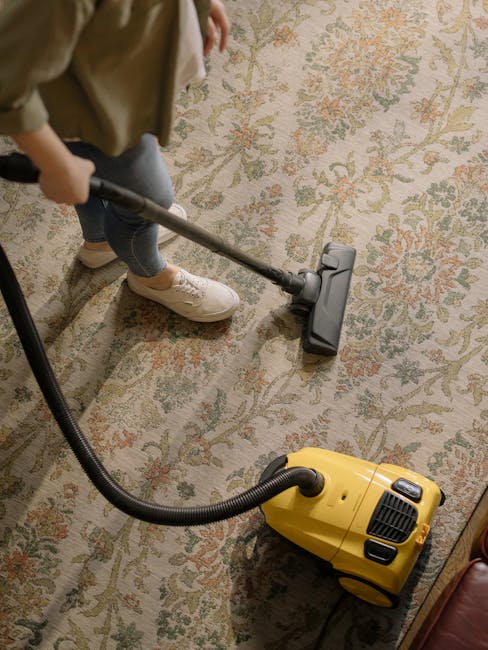
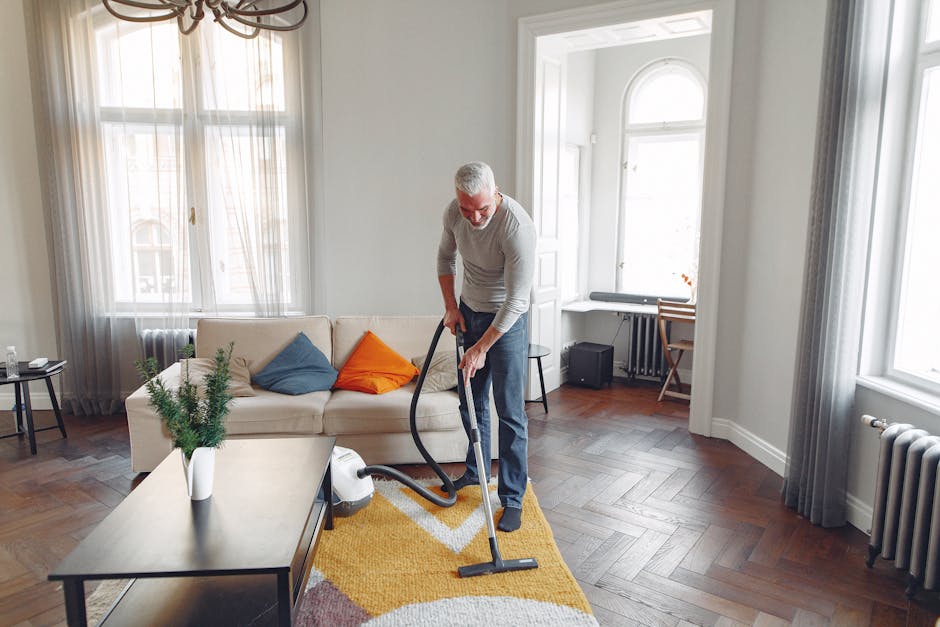
- Vacuum slowly and thoroughly. One quick pass is rarely enough. Go over traffic areas in both directions where possible. You will be surprised how much more comes up when you do not rush.
- Inspect for spots and marks. Tea, coffee, food, makeup, mud, and pet accidents often need different treatment. Mark the problem areas before you start wet cleaning.
- Pre-treat stains carefully. Blot, do not rub. Use a suitable cleaner and test it first. Rubbing can spread the stain and rough up the fibres.
- Work from the outside of the stain inward. This helps stop a mark from getting bigger. Simple, but easy to forget in the moment.
- Use only as much moisture as needed. Over-wetting is one of the most common mistakes. It can leave a carpet damp for too long and encourage odours or damage.
- Allow proper drying. Open windows if the weather allows, use ventilation, and keep people off the carpet until it is dry. In a typical UK home, that drying stage matters a lot, especially in colder months.
- Groom or lift the pile if needed. A soft brush can help restore a more even appearance once the carpet is dry.
- Put furniture back carefully. Use protective pads if appropriate and avoid trapping damp under feet or legs.
If you are dealing with a rug rather than a fitted carpet, the process can be similar but a touch more delicate. Some rugs are better treated separately with rug cleaning, especially if the backing or dye is sensitive.
What to do first when a spill happens
Act quickly, but calmly. Grab a clean cloth, blot the liquid, and work from the edges toward the middle. Do not pour random products on it in a panic. That way lies disappointment, and sometimes a bigger stain. If the spill is oily, coloured, or sticky, treat it as a stain rather than a simple wet patch.
Expert Tips for Better Results
A few small habits make a surprisingly big difference.
- Vacuum before deep cleaning, always. Wet cleaning over loose grit is basically making abrasive soup.
- Do high-traffic rooms more often. Hallways, stairs, and living rooms wear faster than spare rooms.
- Use towels smartly. A clean white towel is often better than overcomplicating things with too many products.
- Control the drying room. Warm air and airflow help. A damp, closed room slows everything down.
- Do not chase every faint shadow. Some marks are set-in wear rather than removable dirt. That does not mean failure. It just means realism.
- Think about the source of the dirt. If it keeps coming back, address shoes, pets, entrance mats, or the cleaning routine, not just the stain itself.
One thing many homeowners miss is the border around the room and the area under furniture. Those places often look "fine" until you move a sofa and spot the contrast. It is a bit rude, really. But it is also useful. It tells you where the routine is slipping.
Professional advice can help when you are unsure about fibre type, old stains, or moisture-sensitive carpets. If safety and insurance matter to you, it is sensible to review a provider's approach to insurance and safety before booking.
Common Mistakes to Avoid
Most carpet problems after cleaning come from a handful of repeated mistakes. The good news? They are avoidable.
- Scrubbing stains hard. This pushes the mark deeper and damages pile.
- Using too much water. Carpets should be cleaned, not soaked.
- Mixing products blindly. That can create residue or leave a carpet sticky.
- Skipping the vacuum stage. Loose dirt turns into mud once wet.
- Ignoring drying time. Walking on a damp carpet too early can resoil it.
- Using one cleaner for everything. Different stains need different treatment, and not every product suits every fibre.
- Leaving pet smells untreated. Odour often means the issue has gone deeper than the surface.
There is also the classic mistake of doing a big clean only when the carpet looks visibly awful. To be fair, many homeowners do this. Life is busy. But preventative care is easier and usually cheaper than rescue work. Little and often wins. That is boring advice, maybe, but it works.
Tools, Resources and Recommendations
You do not need a van full of equipment to keep carpets in decent shape. A sensible home kit will usually cover the basics.
| Tool or Item | What It Is For | Good For Homeowners? |
|---|---|---|
| Vacuum cleaner with good suction | Removing dry dirt, hair, and dust before cleaning | Yes, essential |
| White microfibre cloths | Blotting spills and applying small amounts of cleaner | Yes, essential |
| Soft brush | Lifting the pile and gently working in cleaning solution | Yes, useful |
| Suitable carpet cleaner | Treating common stains and freshening the surface | Yes, with care |
| Fan or good ventilation | Speeding up drying after cleaning | Yes, very useful |
| Protective gloves | Keeping hands comfortable when using cleaning products | Optional, sensible |
If you want a deeper clean without the hassle of doing it yourself, compare options carefully. Ask whether the method suits your carpet, how long drying usually takes, and whether the treatment is appropriate for pet homes or delicate fibres. You can also check pricing and quotes if you are weighing up the cost of a professional visit.
For households that prefer a more careful or environmentally aware approach, it is worth reviewing a company's recycling and sustainability information too. That does not solve a stain, obviously, but it does help you understand how the business works.
Law, Compliance, Standards, or Best Practice
For most homeowners, carpet cleaning is a practical housekeeping task rather than a regulated process. Still, there are sensible UK best practices worth following. Safety comes first. Use products as directed. Keep them out of reach of children and pets. Ventilate rooms after cleaning. If you are unsure about a fabric or chemical, stop and check before pushing ahead.
When hiring a cleaner, it is reasonable to expect clear communication about what is included, how the work will be carried out, what the drying expectations are, and what happens if a problem arises. A reputable provider should also be transparent about terms, payment, and complaints handling. Those details are not glamorous, but they matter when you are letting someone work in your home.
If you are checking a company's policies, a few pages are worth a quick look: terms and conditions, payment and security, and complaints procedure. You may not need them, hopefully. But it is reassuring to know they are there.
Options, Methods, or Comparison Table
Not every carpet needs the same level of cleaning. Here is a straightforward comparison to help you choose the right approach.
| Method | Best For | Pros | Watch Outs |
|---|---|---|---|
| Regular vacuuming | Daily or weekly maintenance | Easy, fast, protects fibres from grit | Does not remove deep stains |
| Spot cleaning | Fresh spills and small marks | Quick, targeted, low cost | Can spread stain if rushed |
| DIY deep cleaning | Light to moderate soiling | Convenient, affordable | Risk of over-wetting or residue |
| Professional carpet cleaning | Heavy traffic, old stains, large areas | More thorough, less guesswork | Higher upfront cost |
| Steam carpet cleaning | Deep refresh and stubborn embedded dirt | Strong cleaning power, good for many homes | Drying time and fibre suitability matter |
If you are deciding between cleaning methods, ask one simple question: is this a surface problem, or has the carpet really taken a beating? If it is mostly surface dirt, a sensible DIY routine may be enough. If the carpet smells stale, looks flattened, or has repeat stains, a deeper method may save time in the long run.
Case Study or Real-World Example
Here is a very ordinary example, which is often the most useful kind. A family living in a semi-detached home in the UK had a front room carpet that looked "a bit tired" rather than obviously dirty. The hallway, though, was another story. Grit from shoes, muddy prints after wet school runs, and an old tea mark near the armchair had made the space feel dull.
They started with a full vacuum, including edges and under the coffee table. Then they treated the tea stain separately, rather than wetting the whole area. After that, they used a deeper clean on the hallway and living room together, which gave a more even finish. The biggest change was not dramatic colour restoration. It was freshness. The rooms just felt lighter, cleaner, less grubby around the edges. The kind of difference you notice when you come in from outside on a damp evening and the house suddenly feels looked after.
That is usually how it goes, by the way. The win is often subtle. You do not always get a movie-style transformation. But you do get a home that feels better to live in, and that matters.
Practical Checklist
Use this as your homeowner carpet cleaning checklist before, during, and after cleaning.
- Vacuum all carpeted areas slowly and thoroughly.
- Check for fresh spills, stains, and odours.
- Identify delicate fibres or problem areas before using product.
- Test any cleaner in an inconspicuous spot.
- Blot spills, do not rub them.
- Treat stains individually before deep cleaning.
- Use the minimum moisture needed for the job.
- Keep windows open or improve airflow where possible.
- Allow the carpet to dry fully before heavy use.
- Move furniture back only when the area is properly dry.
- Recheck high-traffic zones after drying.
- Book professional help for stubborn stains, pet odours, or heavily worn carpets.
And if your carpet is only part of the problem, do not ignore the rest of the room. Soft furnishings trap dust and smells too. A room can look tidy and still not quite smell fresh. Annoying, but true.
Conclusion
A well-planned carpet cleaning routine does not need to be complicated. If you remember the basics, vacuum first, treat spills quickly, avoid over-wetting, and know when to get extra help, you will protect your carpets for far longer. That is really the heart of the Essential carpet cleaning checklist for homeowners across the UK: simple habits, done consistently, with a bit of care and common sense.
Whether you are maintaining a family hallway, freshening a sitting room before guests arrive, or dealing with a stubborn patch that just will not budge, the right checklist keeps the job manageable. No drama. No guesswork. Just a cleaner, more comfortable home.
If you would like a more tailored approach for your carpets, rugs, or upholstery, it can help to speak with a specialist who understands the practical side of the job as well as the technical one. Contact the team when you are ready to take the next step.
Get a free quote today and see how much you can save.
Frequently Asked Questions
How often should homeowners in the UK clean their carpets?
For most homes, regular vacuuming should happen at least weekly, and more often in busy areas. A deeper clean depends on foot traffic, pets, children, and how quickly the carpet shows wear. Hallways and living rooms usually need attention before spare rooms do.
What is the best first step when a carpet gets stained?
Blot the spill immediately with a clean cloth. Work gently from the outside in. The main goal is to remove liquid without pushing it deeper. Scrubbing hard is one of the quickest ways to make things worse.
Can I use a steam cleaner on any carpet?
Not always. Steam cleaning can work well on many synthetic carpets, but delicate fibres, older carpets, or moisture-sensitive backings may need a different method. Always check the carpet type first and test a small hidden area if you are unsure.
Why does my carpet smell worse after cleaning?
This usually happens when too much water has been used or the carpet has not dried properly. In some cases, the odour is coming from deeper in the pile or underlay, which means a surface clean will not fix it on its own.
Is professional carpet cleaning worth it for a typical house?
Often, yes, especially if the carpet has heavy traffic, older stains, pet issues, or a tired appearance that regular vacuuming cannot fix. It can also be helpful if you want a more thorough clean without the trial and error of DIY products.
How can I make carpets dry faster after cleaning?
Use less water, improve airflow, and keep the room ventilated. Opening windows, using fans, and avoiding heavy foot traffic all help. In colder UK weather, drying may take longer, so planning matters.
What should I avoid using on carpet stains?
Avoid harsh scrubbing, random product mixing, and soaking the area. Also avoid using a cleaner without testing it first. Some products can discolour fibres or leave sticky residue that attracts more dirt later.
Are rugs treated the same way as fitted carpets?
Not quite. Rugs can be more delicate because of dyes, backing materials, or fringe details. Some are fine with gentle cleaning, but others need a more careful approach. If in doubt, treat them separately from fitted flooring.
How do I know if a stain needs specialist treatment?
If a mark is old, has a strong smell, keeps returning, or sits in a high-traffic area, it may need more than a basic home cleaner. Pet accidents, dye transfer, and deeply set spills are common examples where specialist treatment makes sense.
Can carpet cleaning help with allergies?
It can help reduce trapped dust, dirt, and pet-related debris, which may improve comfort in the home. That said, results vary, and carpet cleaning is only one part of a broader home-care routine.
What is the safest way to clean around furniture?
Move light items out of the way before cleaning if you can. For heavier furniture, clean around it carefully and only move it if it is safe to do so. Use pads or protection under furniture legs when putting items back on a damp carpet.
Should I clean carpets before or after decorating?
Usually after decorating, once dust and debris from the work have settled. If you clean first and then sand, paint, or move ladders around, the carpet may end up needing attention again anyway. Bit frustrating, that.
Where can I find help with other household cleaning services?
If you are refreshing the whole room or home, related services such as curtain cleaning, mattress cleaning, and stain removal can be useful alongside carpet care.